Gum disease is one of the most common oral health conditions, but it is also one of the most preventable. It develops slowly over time, often without pain in the early stages, and can progress from mild gum inflammation to serious infection that affects bone support and tooth stability.
What makes gum disease especially important is its strong connection with preventive dental care. Instead of waiting for symptoms like bleeding gums or tooth mobility, preventive dentistry focuses on stopping the disease before it begins or progresses.
A structured preventive approach offered through preventive dentistry services helps reduce plaque buildup, control infection risk, and maintain long-term gum health.
How Gum Disease Begins in the Mouth
Gum disease starts with plaque formation. Plaque is a sticky film of bacteria that naturally forms on teeth throughout the day. When food particles especially sugars and starches remain in the mouth, bacteria feed on them and produce acids and toxins.
If plaque is not removed through daily brushing and flossing, it begins to accumulate along the gumline. Over time, it hardens into tartar, which cannot be removed at home. This hardened buildup creates a rough surface that attracts more bacteria and increases inflammation in the gums.
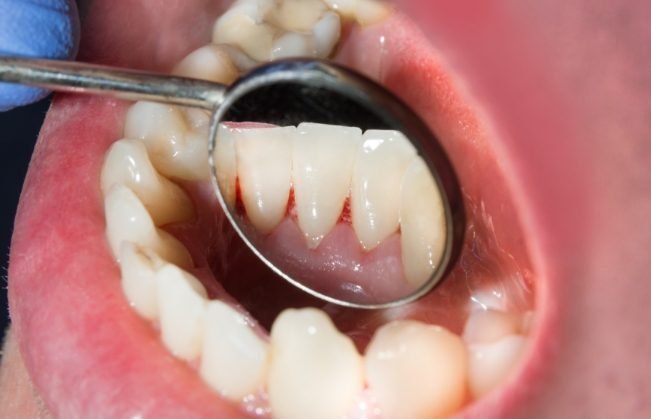
At this stage, early gum disease known as gingivitis begins. Symptoms may include mild swelling, redness, and bleeding during brushing. Even though it may seem minor, it is already a sign that the immune system is reacting to bacterial infection.
Preventive Dentistry and Its Role in Gum Protection
Preventive dentistry is focused on stopping oral diseases before they require complex treatment. Instead of reacting to pain or damage, it identifies risk factors early and removes the conditions that allow gum disease to develop.
Regular dental visits allow professional cleaning of plaque and tartar, especially below the gumline where toothbrushes cannot reach. This reduces bacterial load and prevents inflammation from progressing.
Preventive care also includes early oral examination, which helps identify subtle gum changes before they become serious. Small signs such as gum bleeding or pocket formation can be addressed immediately, preventing long-term damage.
A full preventive care approach is one of the most effective ways to maintain strong gums and avoid advanced periodontal disease.
Why Daily Oral Hygiene Alone Is Not Enough
Brushing and flossing are essential, but they have limitations. Even with proper technique, plaque can accumulate in hard-to-reach areas between teeth and below the gumline.
Once plaque hardens into tartar, it becomes impossible to remove at home. This is where professional cleaning becomes necessary.
Studies show that professional cleanings significantly reduce plaque and tartar buildup, lowering the risk of gum disease and tooth decay by controlling bacterial growth in the mouth.
Preventive dentistry complements daily hygiene by ensuring that no harmful buildup is left untreated, supporting long-term oral health through trusted care provided by Complete Dental Care of Covington.
Progression from Gingivitis to Periodontitis
If gingivitis is not treated, it can progress into periodontitis, which is a more severe and irreversible form of gum disease. At this stage, infection spreads deeper into the supporting structures of the teeth, including bone and connective tissue.
The immune system continues to fight bacteria, but instead of eliminating the infection completely, it remains in a constant inflammatory state. This chronic inflammation begins to destroy healthy tissue over time.
As gum pockets deepen, bacteria collect more easily, making the condition worse. Eventually, this leads to gum recession, bone loss, and tooth loosening.
Preventive dentistry is crucial because it stops this progression before permanent damage occurs.
Immune System Response and Chronic Inflammation
When gum disease develops, the immune system responds immediately. White blood cells are sent to fight bacteria in the gums, creating inflammation as part of the defense process.
While inflammation is a natural protective response, long-term exposure to bacteria causes it to become chronic. This ongoing immune activity damages both infected and healthy tissue.
Instead of healing, the gums and bone structure begin to weaken over time. This shows that gum disease is not just a local oral issue but a condition involving the body’s immune system response.
Preventive care helps reduce this burden by controlling bacteria early and preventing chronic inflammation.
Professional Cleanings and Bacterial Control
One of the most effective parts of preventive dentistry is professional cleaning. Dental cleaning removes plaque and tartar that cannot be eliminated by brushing alone.
Tartar buildup is one of the main causes of gum inflammation because it traps bacteria and continuously irritates the gums.
Research confirms that regular dental cleanings help prevent gum disease by controlling bacterial accumulation and reducing inflammation in gum tissues.
This makes routine cleanings a key part of maintaining long-term oral health.
Risk Factors That Increase Gum Disease
Several factors increase the risk of gum disease, even in individuals who practice daily oral hygiene.
Smoking is one of the strongest risk factors because it reduces blood flow to the gums and weakens immune response. Diabetes also increases risk because it affects the body’s ability to control bacterial infection.
Stress can contribute indirectly by lowering immune efficiency and reducing consistency in oral hygiene habits.
Poor diet, especially high sugar intake, increases plaque formation and accelerates bacterial growth.
Preventive dentistry helps manage these risks through regular monitoring and early intervention.
Early Warning Signs of Gum Disease
Gum disease often begins silently, but there are early signs that should not be ignored.
Bleeding during brushing or flossing is one of the most common early indicators. Swollen or tender gums may also suggest inflammation caused by bacterial buildup.
Persistent bad breath is another warning sign that bacteria are accumulating below the gumline.
At this stage, preventive dentistry can reverse the condition and restore gum health before permanent damage occurs.
Importance of Professional Dental Care
Professional dental care plays a major role in preventing and managing gum disease. Dentists can detect early gum changes that are not visible or noticeable to patients.
They also provide deep cleaning procedures that remove bacteria from below the gumline and smooth tooth surfaces to reduce future buildup.
A complete oral examination ensures that gum disease is identified early and treated before it progresses into advanced stages. For ongoing care, professional evaluation and treatment planning can be arranged by contacting a qualified dentist.
Long-Term Benefits of Preventive Dentistry
Preventive dentistry provides long-term benefits beyond gum disease prevention. It helps preserve natural teeth, reduces the need for surgical procedures, and improves overall oral comfort.
Healthy gums support stronger teeth and better chewing function. They also contribute to better breath, improved oral hygiene, and greater confidence in daily life.
Over time, preventive care reduces dental emergencies and helps maintain stable oral health throughout life.
Connection Between Gum Health and Overall Health
Gum disease is closely connected to overall health because the mouth is directly linked to the bloodstream. Harmful bacteria from infected gums can enter circulation and contribute to systemic inflammation.
This highlights why gum health is not just a dental concern but an important part of overall wellness.
Preventive dentistry reduces bacterial levels in the mouth, helping lower inflammation and supporting overall health balance.
Why Early Action Matters
Timing is one of the most important factors in gum disease prevention. Early-stage gingivitis can often be completely reversed with proper care.
However, once bone loss begins, it cannot be fully restored. This makes early preventive intervention essential.
Even small improvements in oral hygiene combined with regular dental visits can significantly reduce long-term risks.
Preventive Dentistry as a Lifelong Strategy
Preventive dentistry is not a one-time treatment but a long-term approach to oral health. It works best when combined with daily hygiene habits and regular dental checkups.
This ongoing care ensures that gum disease is prevented before it becomes severe and helps maintain healthy teeth and gums for life.
Conclusion
The connection between gum disease and preventive dentistry shows how important early care is for maintaining oral health. Gum disease begins with plaque buildup but can be controlled and prevented through consistent preventive care.
By removing bacteria, detecting early signs, and maintaining regular professional cleanings, preventive dentistry reduces the risk of gum disease progression.
Healthy gums are essential for a healthy mouth, and preventive care ensures they remain strong, stable, and disease-free over the long term.
FAQs
1. What Is Gum Disease?
Gum disease is an infection of the gums caused by plaque buildup that leads to inflammation, bleeding, and potential bone loss if untreated.
2. How Does Preventive Dentistry Help With Gum Disease?
Preventive dentistry helps by removing plaque and tartar early, reducing bacteria, and preventing gum inflammation from progressing.
3. What Are the Early Signs of Gum Disease?
Early signs include bleeding gums, redness, swelling, bad breath, and mild gum sensitivity.
4. Can Gum Disease Be Reversed?
Early gum disease (gingivitis) can often be reversed with proper oral hygiene and professional dental cleanings.
5. How Often Should Preventive Dental Checkups Be Done?
Most patients benefit from preventive dental checkups every six months to maintain healthy gums and detect issues early.