Complete Dental Care of Covington Blog

All-in-One Dental Implants: A Complete Tooth Replacement Solution in Covington

July 21, 2026

Filed under: Blogs — Peach @ 4:43 pm

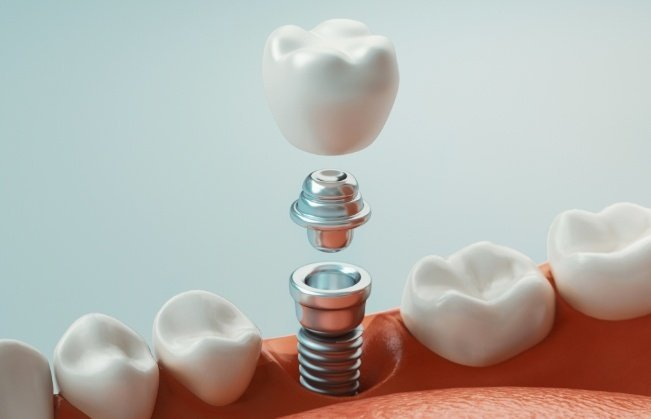
Losing several teeth or an entire arch of teeth changes daily life in ways that go beyond appearance. Eating, speaking, and even smiling with confidence can become difficult. For people searching for a lasting fix, all on four dental implants have become one of the most talked about options in modern dentistry. This treatment combines the stability of implants with the completeness of a full set of teeth, all placed using just four implant posts per arch.

This article explains what all-on-one dental implants are, how the procedure works, who benefits from it, and what to expect when exploring dental implants all on four as a tooth replacement option in Covington.

What Are All-on-4 Dental Implants

All-on-4 dental implants are a full arch tooth replacement method that uses four strategically placed implant posts to support an entire row of prosthetic teeth. Instead of placing a separate implant for every missing tooth, this approach relies on four implants angled and positioned to maximize contact with existing jawbone, even in cases where bone density has decreased over time.

The result is a fixed, non-removable set of teeth that functions much like natural teeth. Unlike traditional dentures implants that may still require adhesives or occasional adjustment, an all-on-4 dental implant is anchored directly into the jaw, offering a level of stability that removable options cannot match.

This method is often described using different terms, including all on four dental, 4 in one teeth implants, or simply all on 4 dentist treatment, but the underlying concept remains the same: four implants, one complete arch, and a permanent result.

How All-on-4 Dental Implants Work

The all-on-4 process is built around precision planning and a clear sequence of steps. While every case is unique, the general treatment path follows a predictable structure.

Initial Consultation and Imaging

Before any procedure begins, a thorough evaluation is necessary. This typically includes digital x-rays or 3D scans to assess jawbone structure, remaining teeth, and gum health. This step determines whether someone is a suitable candidate and helps map out exactly where the four implants should be placed for maximum support.

Implant Placement

During the surgical phase, four titanium implants are inserted into the jawbone at specific angles. The back implants are usually angled to avoid areas with thinner bone, such as the sinus cavity in the upper jaw, while still providing strong anchorage. This angled placement is part of what makes the all-on-4 dental implants approach effective even for patients who have experienced bone loss.

Temporary Teeth and Healing

In many cases, a temporary set of teeth can be attached to the implants on the same day as surgery. This allows patients to leave with a functional smile while the implants fuse with the jawbone over the following months, a process known as osseointegration.

Permanent Restoration

Once healing is complete, the temporary prosthetic is replaced with a custom-made permanent set of teeth. This final restoration is designed to match natural tooth color, shape, and bite alignment, giving a result that looks and functions like a real set of teeth.

Benefits of All-on-4 Dental Implants

Choosing all-on-4 dental implants over other tooth replacement methods offers several practical advantages. Below is a comparison to help illustrate how this option compares with traditional dentures.

FeatureTraditional DenturesAll-on-4 Dental Implants
StabilityCan shift or slipFixed and secure
Bone PreservationDoes not prevent bone lossHelps preserve jawbone
Eating ComfortLimited with hard foodsClose to natural chewing ability
Daily MaintenanceRequires removal and adhesivesBrushed like natural teeth
Speech ClarityMay affect pronunciationMinimal impact on speech
Treatment TimeMultiple fittings over timeOften completed in fewer visits
Long-Term CostOngoing replacements neededDesigned for long-term use

This comparison highlights why many patients researching affordable permanent teeth options consider all-on-4 implants a worthwhile long-term investment rather than a recurring expense.

Who Is a Candidate for All-on-4 Dental Implants

Not everyone requires the same type of tooth replacement, and understanding candidacy is an important part of the decision-making process. People who are generally good candidates for all-on-4 dental implants include those who:

  • Are missing most or all of their teeth in one or both arches
  • Currently wear dentures but experience discomfort or instability
  • Have some bone loss but not enough to rule out implant placement
  • Want a fixed solution rather than a removable one
  • Are in general good health and free of uncontrolled conditions that could affect healing

A consultation with a qualified all on 4 dentist is the only way to confirm candidacy, since factors such as bone density, gum health, and medical history all play a role in determining the right treatment plan.

Affordable Permanent Teeth Options in Covington

Cost is often one of the biggest concerns when researching tooth replacement options. While all-on-4 dental implants may require a larger upfront investment compared to dentures, the long-term value often makes them a more affordable permanent teeth solution over time. Traditional dentures typically need relining, adjustments, or full replacement every several years, while a well-maintained all-on-4 restoration is built to last much longer with proper care.

We understand that every patient has different needs and budget considerations. That is why treatment planning includes a clear explanation of costs, available options, and what to expect at each stage of the process. For more details on treatment options, patients can review information ondental implants to better understand what a personalized plan might involve.

Why Choose a Dental Implant Clinic in Covington

Selecting a local dental implant clinic offers several practical advantages, particularly for a procedure that involves multiple appointments over several months. Choosing a dentist covington wa residents can easily access means fewer travel concerns during follow-up visits, imaging appointments, and the eventual placement of the permanent restoration.

We focus on a patient centered approach that combines careful diagnostic planning with attentive, ongoing care throughout the treatment timeline. From the first consultation through final restoration, the goal is to provide dental implants covington wa patients can rely on for a smile that looks natural and functions reliably.

For anyone comparing options among dental implant clinic covington providers, factors worth considering include the technology used for imaging and planning, the experience of the surgical team, and the level of communication provided throughout treatment. A thorough consultation should always precede any decision, allowing patients to ask questions and fully understand their options before moving forward.

What to Expect After Treatment

Recovery after all-on-4 implant placement varies from person to person, but most patients can expect some swelling and mild discomfort in the days following surgery. Soft foods are typically recommended during the initial healing period, gradually transitioning to a normal diet as the implants integrate with the jawbone.

Long-term care for all-on-4 dental implants is relatively straightforward. Daily brushing, regular dental checkups, and avoiding excessive force on the prosthetic teeth all contribute to the longevity of the restoration. Because the teeth are fixed in place, there is no need for the adhesives or nightly removal associated with traditional dentures.

Conclusion

Choosing the right tooth replacement solution is a significant decision, and all-on-4 dental implants continue to stand out as a reliable option for people seeking a fixed, functional, and natural looking smile. From the initial consultation through the final restoration, understanding each step of the process helps patients make informed choices about their oral health. At Complete Dental Care of Covington, treatment planning is approached with attention to detail and a focus on long-term results. Patients considering this option are encouraged to schedule a consultation with Complete Dental Care of Covington to discuss individual needs and treatment goals. With experienced guidance from Complete Dental Care of Covington, achieving a stable and complete smile becomes a realistic and well supported goal. For those exploring tooth replacement options in the area, Complete Dental Care of Covington remains a resource for detailed, honest information throughout the treatment journey.

Frequently Asked Questions

How long does the all-on-4 dental implant procedure take?

The surgical placement of implants typically takes a few hours, and many patients receive a temporary set of teeth the same day. The full process, including healing and placement of the permanent restoration, generally spans several months.

Are all-on-4 dental implants painful?

Most patients report manageable discomfort similar to other oral surgery procedures. Pain is usually controlled with prescribed medication and subsides within a few days.

Can I get all-on-4 implants if I have bone loss?

In many cases, yes. The angled placement of the back implants in the all-on-4 technique is specifically designed to work with reduced bone volume, though a full evaluation is needed to confirm candidacy.

How do all-on-4 implants compare to traditional dentures in cost?

While the initial cost is often higher, all-on-4 implants tend to reduce long-term expenses since they do not require the frequent adjustments or replacements associated with traditional dentures.

How should I care for all-on-4 dental implants?

Care involves brushing and flossing as you would with natural teeth, along with regular checkups to monitor implant health and the condition of the prosthetic.

Is the all-on-4 procedure suitable for both upper and lower arches?

Yes, the technique can be used for the upper jaw, lower jaw, or both, depending on individual needs and treatment goals.

What to Eat After Wisdom Tooth Removal: A Complete Recovery Guide

July 13, 2026

Filed under: Blogs — Peach @ 10:38 am

Wisdom tooth removal is one of the most common oral surgery procedures, and recovery largely depends on how well the healing site is cared for in the days that follow. Diet plays a central role in that process. Eating the right foods at the right time helps reduce discomfort, lowers the risk of complications, and supports faster healing.

This guide walks through what to eat after wisdom teeth removal at each stage of recovery, along with foods and habits to avoid. Whether the procedure was simple or surgical, understanding what can you eat after wisdom teeth removal makes the first week far more manageable.

Why Diet Matters After Wisdom Tooth Removal

After a tooth extraction, a blood clot forms in the socket where the tooth once was. This clot protects the underlying bone and nerve endings while new tissue develops. Eating the wrong foods, chewing too soon on the surgical site, or using a straw can dislodge this clot, leading to a painful condition known as dry socket.

Choosing soft, cool, and nutrient-dense foods supports clot stability and reduces strain on the jaw. It also helps manage swelling, since certain foods can either soothe or irritate the surgical area. Knowing food to eat after wisdom teeth removal in advance makes the first few days significantly less stressful.

What to Eat After Wisdom Teeth Removal Day 1

The first 24 hours require the most caution. Chewing should be avoided entirely near the extraction sites, and food should require little to no effort to swallow.

Best Foods for the First 24 Hours

On what to eat after wisdom teeth removal day 1, the safest choices include:

  • Smooth yogurt without fruit chunks
  • Applesauce
  • Mashed potatoes, cooled to room temperature
  • Blended soups without solid pieces
  • Protein shakes without a straw
  • Ice cream or sorbet in small amounts, if swelling allows

These options require minimal jaw movement and are gentle on the surgical site. Temperature matters here as well. Very hot foods can increase bleeding and swelling, while cold foods can help numb discomfort and reduce inflammation during the first day.

Foods to Eat After Wisdom Teeth Removal Days 2 to 7

As the initial swelling begins to subside, the diet can gradually expand to include slightly more texture, though chewing should still be avoided on the extraction sites.

Recovery DayRecommended FoodsFoods to Avoid
Day 1Yogurt, applesauce, blended soup, mashed potatoesAnything requiring chewing
Day 2 to 3Scrambled eggs, oatmeal, well cooked pasta, mashed vegetablesCrunchy, spicy, or acidic foods
Day 4 to 5Soft rice, tender fish, soft fruits like bananasNuts, seeds, chips, popcorn
Day 6 to 7Soft sandwiches, well cooked meats cut smallHard bread crusts, raw vegetables
Ongoing healingGradual return to normal diet as advised by your dentistAlcohol and carbonated drinks

This table offers a general guideline. Recovery speed varies from person to person, and some patients may need to stay on softer foods longer, particularly if all four wisdom teeth were removed at once or if the extraction was surgically complex.

What Can You Eat After Wisdom Teeth Removal as Healing Progresses

By the middle of the first week, many patients feel comfortable introducing more variety. Foods that remain soft but offer more substance include:

  • Scrambled or soft boiled eggs
  • Oatmeal or cream of wheat
  • Steamed and mashed vegetables
  • Soft cooked pasta with mild sauce
  • Smoothies eaten with a spoon rather than sipped through a straw
  • Cottage cheese

It is worth noting that even as healing progresses, chewing directly on the extraction site should be avoided until a dentist confirms the area has healed sufficiently. Eating on the opposite side of the mouth, when possible, reduces unnecessary pressure on healing tissue.

Foods and Drinks to Avoid After Wisdom Tooth Removal

Certain foods and habits can interfere with healing or increase the risk of complications. These should be avoided for at least the first week, and longer if advised:

  • Crunchy foods such as chips, crackers, and popcorn
  • Nuts and seeds, which can lodge in the socket
  • Spicy foods that may irritate the surgical site
  • Acidic foods and drinks, including citrus fruits and juice
  • Alcohol, which can interact with pain medication and slow healing
  • Carbonated beverages
  • Using a straw, since the suction can dislodge the blood clot
  • Hot beverages that may increase swelling

Avoiding these items reduces the likelihood of irritation, infection, or dry socket, all of which can extend recovery time and increase discomfort.

Tips for a Smooth Recovery After Tooth Extraction

Beyond diet, a few simple habits support faster healing after wisdom tooth removal or any tooth extraction:

  • Rest for at least the first 24 hours and avoid strenuous activity for several days
  • Use an ice pack on the outside of the cheek during the first day to reduce swelling
  • Rinse gently with warm salt water starting the day after surgery, avoiding vigorous swishing
  • Take prescribed or recommended pain medication as directed
  • Keep the head elevated while resting to reduce swelling and bleeding
  • Avoid smoking, which significantly increases the risk of dry socket

Patients who follow these steps alongside a soft food diet generally experience a smoother, more predictable recovery.

Tooth Extraction and Wisdom Tooth Removal in Covington

For patients considering wisdom tooth removal in Covington, understanding the full process, not just the diet, helps set realistic expectations. A tooth extraction dentist will evaluate the position of the wisdom teeth, whether they are impacted, and the best approach for removal based on individual anatomy.

We take the time to walk patients through what to expect before, during, and after tooth extractions in Covington, including clear guidance on aftercare and diet. Every recovery is different, and having a dental team available to answer questions during the healing process makes a noticeable difference in comfort and confidence. Patients interested in learning more about the procedure itself can review details on wisdom tooth extractions.

When to Contact Your Dentist

While some discomfort and swelling are expected after wisdom tooth removal, certain symptoms warrant a call to the dental office. These include:

  • Pain that worsens after the third day instead of improving
  • Excessive bleeding that does not subside with gentle pressure
  • Signs of infection, such as fever, pus, or a bad taste that does not go away
  • Numbness that persists beyond the expected timeframe
  • Difficulty opening the mouth or swallowing

Reaching out promptly if any of these symptoms occur allows for early evaluation and helps prevent minor issues from becoming more serious.

Conclusion

Recovering from wisdom tooth removal is a gradual process, and following the right diet at each stage plays a major role in comfort and healing speed. From soft, cool foods on day one to a slow return of texture over the following week, paying attention to what the body needs supports a smoother recovery overall. If you are preparing for or recovering from tooth extractions in Covington, Complete Dental Care of Covington is available to answer questions and guide you through every step of the process. Our team understands that each patient heals differently, and personalized aftercare advice from Complete Dental Care of Covington can make a real difference in recovery comfort. For anyone with questions about wisdom tooth removal, dietary guidance, or aftercare concerns, reaching out to Complete Dental Care of Covington is a straightforward way to get clear answers. To schedule a consultation or ask about tooth extraction options, contact Complete Dental Care of Covington today or book an appointment online.

Frequently Asked Questions

What can I eat after wisdom teeth removal on the first day?

Soft, cool foods that require no chewing are best, such as yogurt, applesauce, mashed potatoes, and blended soups. Avoid straws and anything hot or spicy.

How long do I need to eat soft foods after wisdom tooth removal?

Most patients stay on a soft food diet for about a week, though healing time varies. Some may need to continue longer depending on how the extraction sites are healing.

Can I eat rice after wisdom teeth removal?

Well cooked, soft rice is generally fine a few days after surgery, once initial swelling has decreased. It should be eaten carefully and away from the extraction site.

When can I go back to a normal diet after tooth extraction?

Most people can gradually return to a regular diet within one to two weeks, depending on healing progress. A dentist can confirm when it is safe to resume harder or crunchy foods.

Why should I avoid straws after wisdom tooth removal?

The suction created by drinking through a straw can dislodge the blood clot protecting the extraction site, increasing the risk of dry socket, a painful complication that delays healing.

Is it normal to have swelling for several days after wisdom teeth removal?

Some swelling is expected and typically peaks around day two or three before gradually improving. If swelling worsens significantly after this point, it is worth contacting your dentist.

The Connection Between Gum Disease and Preventive Dentistry

June 10, 2026

Filed under: Blogs — denstcovington @ 7:18 am
Preventive Dentistry

Gum disease is one of the most common oral health conditions, but it is also one of the most preventable. It develops slowly over time, often without pain in the early stages, and can progress from mild gum inflammation to serious infection that affects bone support and tooth stability.

What makes gum disease especially important is its strong connection with preventive dental care. Instead of waiting for symptoms like bleeding gums or tooth mobility, preventive dentistry focuses on stopping the disease before it begins or progresses.

A structured preventive approach offered through preventive dentistry services helps reduce plaque buildup, control infection risk, and maintain long-term gum health.

How Gum Disease Begins in the Mouth

Gum disease starts with plaque formation. Plaque is a sticky film of bacteria that naturally forms on teeth throughout the day. When food particles especially sugars and starches remain in the mouth, bacteria feed on them and produce acids and toxins.

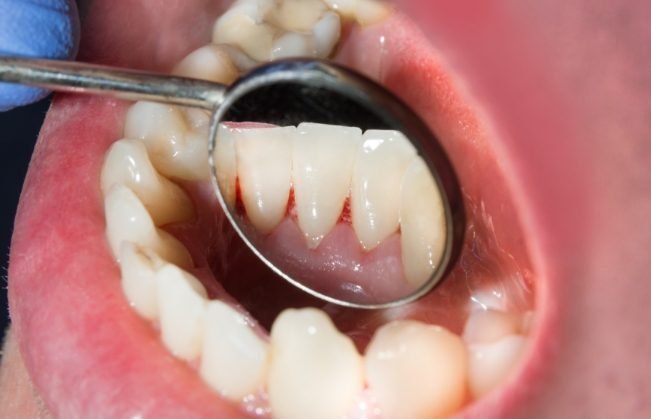
If plaque is not removed through daily brushing and flossing, it begins to accumulate along the gumline. Over time, it hardens into tartar, which cannot be removed at home. This hardened buildup creates a rough surface that attracts more bacteria and increases inflammation in the gums.

At this stage, early gum disease known as gingivitis begins. Symptoms may include mild swelling, redness, and bleeding during brushing. Even though it may seem minor, it is already a sign that the immune system is reacting to bacterial infection.

Preventive Dentistry and Its Role in Gum Protection

Preventive dentistry is focused on stopping oral diseases before they require complex treatment. Instead of reacting to pain or damage, it identifies risk factors early and removes the conditions that allow gum disease to develop.

Regular dental visits allow professional cleaning of plaque and tartar, especially below the gumline where toothbrushes cannot reach. This reduces bacterial load and prevents inflammation from progressing.

Preventive care also includes early oral examination, which helps identify subtle gum changes before they become serious. Small signs such as gum bleeding or pocket formation can be addressed immediately, preventing long-term damage.

A full preventive care approach is one of the most effective ways to maintain strong gums and avoid advanced periodontal disease.

Why Daily Oral Hygiene Alone Is Not Enough

Brushing and flossing are essential, but they have limitations. Even with proper technique, plaque can accumulate in hard-to-reach areas between teeth and below the gumline.

Once plaque hardens into tartar, it becomes impossible to remove at home. This is where professional cleaning becomes necessary.

Studies show that professional cleanings significantly reduce plaque and tartar buildup, lowering the risk of gum disease and tooth decay by controlling bacterial growth in the mouth.

Preventive dentistry complements daily hygiene by ensuring that no harmful buildup is left untreated, supporting long-term oral health through trusted care provided by Complete Dental Care of Covington.

Progression from Gingivitis to Periodontitis

If gingivitis is not treated, it can progress into periodontitis, which is a more severe and irreversible form of gum disease. At this stage, infection spreads deeper into the supporting structures of the teeth, including bone and connective tissue.

The immune system continues to fight bacteria, but instead of eliminating the infection completely, it remains in a constant inflammatory state. This chronic inflammation begins to destroy healthy tissue over time.

As gum pockets deepen, bacteria collect more easily, making the condition worse. Eventually, this leads to gum recession, bone loss, and tooth loosening.

Preventive dentistry is crucial because it stops this progression before permanent damage occurs.

Immune System Response and Chronic Inflammation

When gum disease develops, the immune system responds immediately. White blood cells are sent to fight bacteria in the gums, creating inflammation as part of the defense process.

While inflammation is a natural protective response, long-term exposure to bacteria causes it to become chronic. This ongoing immune activity damages both infected and healthy tissue.

Instead of healing, the gums and bone structure begin to weaken over time. This shows that gum disease is not just a local oral issue but a condition involving the body’s immune system response.

Preventive care helps reduce this burden by controlling bacteria early and preventing chronic inflammation.

Professional Cleanings and Bacterial Control

One of the most effective parts of preventive dentistry is professional cleaning. Dental cleaning removes plaque and tartar that cannot be eliminated by brushing alone.

Tartar buildup is one of the main causes of gum inflammation because it traps bacteria and continuously irritates the gums.

Research confirms that regular dental cleanings help prevent gum disease by controlling bacterial accumulation and reducing inflammation in gum tissues.

This makes routine cleanings a key part of maintaining long-term oral health.

Risk Factors That Increase Gum Disease

Several factors increase the risk of gum disease, even in individuals who practice daily oral hygiene.

Smoking is one of the strongest risk factors because it reduces blood flow to the gums and weakens immune response. Diabetes also increases risk because it affects the body’s ability to control bacterial infection.

Stress can contribute indirectly by lowering immune efficiency and reducing consistency in oral hygiene habits.

Poor diet, especially high sugar intake, increases plaque formation and accelerates bacterial growth.

Preventive dentistry helps manage these risks through regular monitoring and early intervention.

Early Warning Signs of Gum Disease

Gum disease often begins silently, but there are early signs that should not be ignored.

Bleeding during brushing or flossing is one of the most common early indicators. Swollen or tender gums may also suggest inflammation caused by bacterial buildup.

Persistent bad breath is another warning sign that bacteria are accumulating below the gumline.

At this stage, preventive dentistry can reverse the condition and restore gum health before permanent damage occurs.

Importance of Professional Dental Care

Professional dental care plays a major role in preventing and managing gum disease. Dentists can detect early gum changes that are not visible or noticeable to patients.

They also provide deep cleaning procedures that remove bacteria from below the gumline and smooth tooth surfaces to reduce future buildup.

A complete oral examination ensures that gum disease is identified early and treated before it progresses into advanced stages. For ongoing care, professional evaluation and treatment planning can be arranged by contacting a qualified dentist.

Long-Term Benefits of Preventive Dentistry

Preventive dentistry provides long-term benefits beyond gum disease prevention. It helps preserve natural teeth, reduces the need for surgical procedures, and improves overall oral comfort.

Healthy gums support stronger teeth and better chewing function. They also contribute to better breath, improved oral hygiene, and greater confidence in daily life.

Over time, preventive care reduces dental emergencies and helps maintain stable oral health throughout life.

Connection Between Gum Health and Overall Health

Gum disease is closely connected to overall health because the mouth is directly linked to the bloodstream. Harmful bacteria from infected gums can enter circulation and contribute to systemic inflammation.

This highlights why gum health is not just a dental concern but an important part of overall wellness.

Preventive dentistry reduces bacterial levels in the mouth, helping lower inflammation and supporting overall health balance.

Why Early Action Matters

Timing is one of the most important factors in gum disease prevention. Early-stage gingivitis can often be completely reversed with proper care.

However, once bone loss begins, it cannot be fully restored. This makes early preventive intervention essential.

Even small improvements in oral hygiene combined with regular dental visits can significantly reduce long-term risks.

Preventive Dentistry as a Lifelong Strategy

Preventive dentistry is not a one-time treatment but a long-term approach to oral health. It works best when combined with daily hygiene habits and regular dental checkups.

This ongoing care ensures that gum disease is prevented before it becomes severe and helps maintain healthy teeth and gums for life.

Conclusion

The connection between gum disease and preventive dentistry shows how important early care is for maintaining oral health. Gum disease begins with plaque buildup but can be controlled and prevented through consistent preventive care.

By removing bacteria, detecting early signs, and maintaining regular professional cleanings, preventive dentistry reduces the risk of gum disease progression.

Healthy gums are essential for a healthy mouth, and preventive care ensures they remain strong, stable, and disease-free over the long term.

FAQs

1. What Is Gum Disease?
Gum disease is an infection of the gums caused by plaque buildup that leads to inflammation, bleeding, and potential bone loss if untreated.

2. How Does Preventive Dentistry Help With Gum Disease?
Preventive dentistry helps by removing plaque and tartar early, reducing bacteria, and preventing gum inflammation from progressing.

3. What Are the Early Signs of Gum Disease?
Early signs include bleeding gums, redness, swelling, bad breath, and mild gum sensitivity.

4. Can Gum Disease Be Reversed?
Early gum disease (gingivitis) can often be reversed with proper oral hygiene and professional dental cleanings.

5. How Often Should Preventive Dental Checkups Be Done?
Most patients benefit from preventive dental checkups every six months to maintain healthy gums and detect issues early.

When Is a Tooth Extraction Necessary? Saving Your Smile from Infection

June 8, 2026

Filed under: Blogs — denstcovington @ 7:05 am
Tooth Extraction

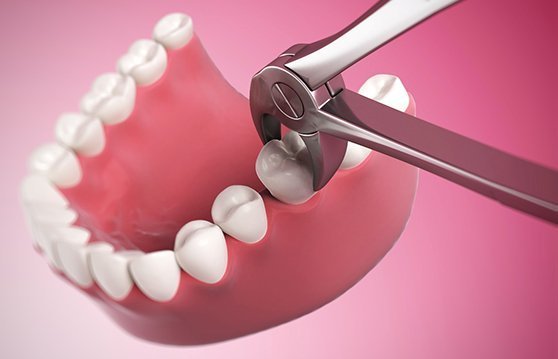
Tooth extraction is a dental procedure used when a tooth is too damaged or infected to be saved. Even though modern dentistry focuses on preserving natural teeth, there are situations where removal becomes the safest option to protect oral health and prevent infection from spreading.

Severe infection, deep decay, or trauma can impact surrounding teeth and jawbone if not treated on time. Understanding when extraction is necessary helps in making timely decisions and avoiding serious complications.

A trusted provider such as Complete Dental Care of Covington offers evaluation and treatment options including tooth extraction services when a tooth cannot be restored.

Understanding Tooth Infection and How It Develops

A tooth infection begins when bacteria enter the inner pulp through cavities, cracks, or injury. The pulp contains nerves and blood vessels, so infection in this area can cause severe pain and swelling.

If not treated early, infection may spread to surrounding gums and jawbone. This can lead to abscess formation and increased risk of further complications.

Early treatment options may include fillings or root canal therapy, but in advanced cases, extraction becomes necessary to stop infection progression.

When Is a Tooth Extraction Necessary?

Tooth extraction is recommended only when no other treatment can save the tooth. One of the most common reasons is severe tooth decay treatment, where damage is too extensive for restorative procedures.

Another major reason is advanced dental infection, especially when bacteria spread beyond the tooth root.

Extraction may also be required when a tooth is fractured below the gum line and cannot be repaired.

Dentists always try to save the tooth first before recommending removal.

Severe Tooth Decay and Structural Damage

Tooth decay starts on the enamel and gradually reaches deeper layers. When it reaches the pulp, infection becomes severe and pain increases.

At this stage, if the tooth structure is too weak for restoration, extraction is required to prevent further infection.

Teeth with deep cracks or fractures often cannot be restored and may need removal.

Gum Disease and Tooth Loss Risk

Advanced gum disease weakens gums and bone that support teeth. As bone loss progresses, teeth become loose and unstable.

When support structures are severely damaged, saving the tooth may no longer be possible. Extraction helps prevent further infection and stabilizes oral health.

Impacted Teeth and Wisdom Tooth Problems

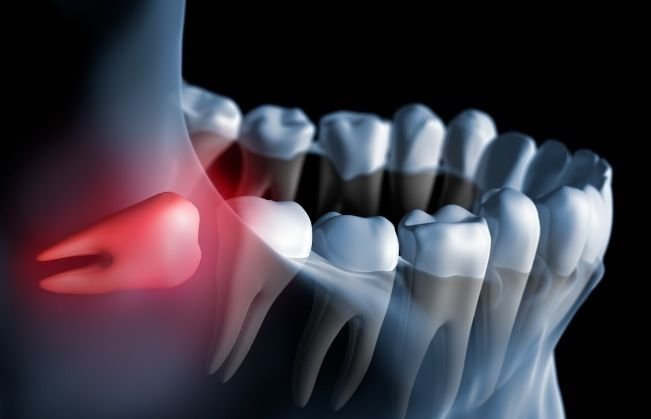
Wisdom teeth often become impacted due to lack of space. These teeth may grow sideways or remain trapped under the gums.

This can cause pain, swelling, and infection in surrounding tissues.

In such cases, wisdom tooth removal treatment is commonly recommended to avoid complications.

Tooth Extraction for Infection Control

One of the key reasons for extraction is infection control. When infection spreads deeply inside a tooth, antibiotics alone may not fully resolve the issue.

Removing the infected tooth eliminates the source of bacteria and helps surrounding tissues heal.

Clinical research shows that extraction is often necessary when infection becomes severe and uncontrollable.

Types of Tooth Extraction Procedures

There are two main types of extraction procedures.

A simple extraction is performed on visible teeth that can be removed easily.

A surgical extraction is required when the tooth is broken, impacted, or not fully erupted.

Both procedures are performed under anesthesia for patient comfort.

Recovery After Tooth Extraction

Healing time depends on the complexity of the procedure. Mild swelling and discomfort are normal for a few days.

Following proper aftercare instructions is important for smooth recovery. This includes resting, eating soft foods, and maintaining oral hygiene carefully.

Most patients recover within one to two weeks.

Preventing Infection After Extraction

After extraction, proper care helps prevent infection. Keeping the area clean and following dentist instructions is essential.

Avoid smoking, alcohol, and using straws during early healing, as these can disturb clot formation.

Regular follow-ups ensure proper healing progress.

Tooth Replacement Options After Extraction

After a tooth is removed, replacement helps maintain chewing function and alignment.

Options include dental implants, bridges, and dentures depending on oral health condition.

Restoring missing teeth prevents shifting and maintains bite balance.

Importance of Early Dental Care

Early diagnosis helps prevent many cases of tooth extraction. Regular checkups allow detection of decay and infection at early stages.

Timely treatment increases chances of saving natural teeth and avoiding surgical procedures.

Emotional Impact of Tooth Extraction

Tooth extraction can feel stressful, especially when it involves visible teeth. However, it is often necessary to remove pain and infection.

Modern dental techniques ensure a comfortable and safe procedure.

Professional Dental Care in Covington

Professional evaluation ensures extraction is only recommended when necessary. Dentists carefully assess each case before deciding treatment.

A trusted clinic provides complete diagnosis and long-term dental care solutions. For consultation or booking, patients can use contact dental clinic in Covington.

Conclusion

Tooth extraction becomes necessary when a tooth is severely infected, damaged, or cannot be saved through other treatments. While saving natural teeth is always the priority, extraction plays an important role in controlling infection and protecting oral health.

Early detection and timely treatment help reduce the need for extraction and improve long-term dental health.

With proper care, recovery, and replacement options, patients can restore comfort, function, and confidence.

FAQs

1. When Is a Tooth Extraction Necessary?
A tooth extraction is necessary when a tooth is severely damaged, infected, or cannot be saved with other treatments.

2. Can a Tooth Infection Spread If Left Untreated?
Yes, a tooth infection can spread to the gums, jawbone, and surrounding tissues if not treated promptly.

3. Is Tooth Extraction Painful?
No, the procedure is performed under anesthesia, making it comfortable for most patients.

4. How Long Does It Take To Recover From a Tooth Extraction?
Most patients recover within one to two weeks, depending on the complexity of the extraction.

5. What Are the Options for Replacing an Extracted Tooth?
Common replacement options include dental implants, bridges, and dentures.

Knocked Out Tooth? 4 Essential Steps to Take Before You Reach Our Office

May 22, 2026

Filed under: Blogs — denstcovington @ 6:09 am

A knocked out tooth can feel alarming and painful, especially when it happens unexpectedly during sports, accidents, or falls. Acting quickly after this type of dental injury may improve the chances of saving the tooth and reducing long term complications. Many patients also experience bleeding, swelling, or concerns about dental pain relief while trying to find urgent dental care. Knowing what to do before reaching a dental office can make an important difference during an emergency.

Dental injuries can happen without warning and may affect both children and adults. Immediate care is important because the tooth and surrounding tissues are highly vulnerable after an accident. In some cases, delayed treatment may increase the need for broken tooth repair, restorative procedures, or tooth replacement options.

Patients experiencing dental emergencies can learn more about treatment options through emergency tooth and extraction care services available at Complete Dental Care of Covington.

(more…)

5 Ways to Make Your Child’s First Visit to a Covington Dentist Stress Free

May 20, 2026

Filed under: Blogs — denstcovington @ 5:59 am
Covington Dentist

Many parents feel nervous before scheduling their child’s first dental appointment, and children may also feel uncertain about visiting a dental office for the first time. Choosing a trusted Covington Dentist WA can help families create a more positive and comfortable experience from the start. A provider who understands children’s needs can make early visits feel calm, educational, and supportive.

Parents often look for a Covington Dentist WA that focuses on preventive dentistry, gentle communication, and family dental care to help children develop healthy oral habits early in life.

A child’s first dental experience can influence how they feel about oral healthcare for many years. Positive appointments may reduce fear and encourage better long term oral hygiene habits. Early dental visits also help dentists monitor development and identify concerns before they become more serious.

Parents interested in learning more about preventive dentistry and routine oral care can explore preventive dental care services for children and families offered by Complete Dental Care of Covington.

(more…)

What Should You Do If You Lose Your SureSmile Aligner?

December 4, 2025

Filed under: Blogs — denstcovington @ 12:44 pm
A close-up of a hand holding two clear aligners

SureSmile trays may be convenient, but they often tend to go missing. Their use of clear plastic means you can easily misplace them, putting your treatment results at risk. With that said, you may wonder: What should you do if you lose your SureSmile aligner? Your Covington dentist is here to address this question, so please rest assured. Simply read on to discover what you should do when you’ve lost your SureSmile aligners.

(more…)

The Importance of Having a Healthy Mouth Before Cosmetic Dentistry

October 13, 2025

Filed under: Blogs — denstcovington @ 3:44 pm
Woman leaning back in dental chair smiling

Thanks to cosmetic dentistry, you can make the brighter, more confident smile of your dreams a reality. But before you can start the process of enhancing the appearance of your teeth, your dentist will need to examine your mouth to see if there are any problems that need to be addressed first. Why exactly is it so important to make sure that you’re in good oral health prior to beginning any sort of cosmetic dental treatment? Here is a quick look at what you need to know.

(more…)

Ready, Set, Smile: Preparing for Your Cosmetic Dentistry Consultation

August 11, 2025

Filed under: Blogs — denstcovington @ 8:06 pm
Patient smiling at their cosmetic dentistry consultation

Achieving your dream smile isn’t as difficult as it once was. Today, dentists offer consultations to guide their patients onto the right path early on, saving time, money, and frustration. Whether you’re considering veneers, whitening, bonding, or a complete smile makeover, coming prepared helps you get the most out of your visit. If you’re not sure how to take your first step into cosmetic dentistry, continue reading. You’ll find some expert tips on how to make sure you’re ready for the big day.

(more…)

Loose Dentures Got You Down? Dental Implants Might Be the Fix for You!

June 7, 2025

Filed under: Blogs — denstcovington @ 12:53 am
Example of dentures to be secured with dental implants

If you wear dentures regularly, you might already know the daily struggle of messy adhesives and unwanted slippage, especially while eating. That’s where dental implants come in! These fixtures can be added to dentures, making them super secure and comfortable. But is the upgrade really worth all the hype? Continue reading to see what makes implant dentures different and how they can improve your quality of life.

(more…)
Older Posts »