
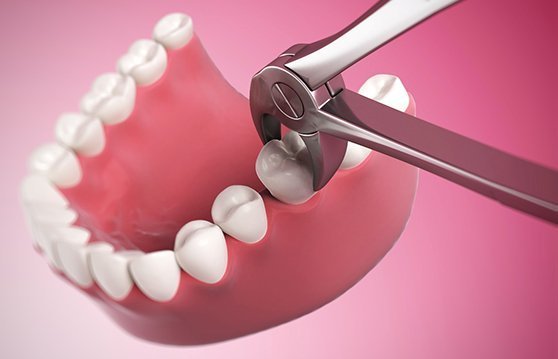
Tooth extraction is a dental procedure used when a tooth is too damaged or infected to be saved. Even though modern dentistry focuses on preserving natural teeth, there are situations where removal becomes the safest option to protect oral health and prevent infection from spreading.
Severe infection, deep decay, or trauma can impact surrounding teeth and jawbone if not treated on time. Understanding when extraction is necessary helps in making timely decisions and avoiding serious complications.
A trusted provider such as Complete Dental Care of Covington offers evaluation and treatment options including tooth extraction services when a tooth cannot be restored.
Understanding Tooth Infection and How It Develops
A tooth infection begins when bacteria enter the inner pulp through cavities, cracks, or injury. The pulp contains nerves and blood vessels, so infection in this area can cause severe pain and swelling.
If not treated early, infection may spread to surrounding gums and jawbone. This can lead to abscess formation and increased risk of further complications.
Early treatment options may include fillings or root canal therapy, but in advanced cases, extraction becomes necessary to stop infection progression.
When Is a Tooth Extraction Necessary?
Tooth extraction is recommended only when no other treatment can save the tooth. One of the most common reasons is severe tooth decay treatment, where damage is too extensive for restorative procedures.
Another major reason is advanced dental infection, especially when bacteria spread beyond the tooth root.
Extraction may also be required when a tooth is fractured below the gum line and cannot be repaired.
Dentists always try to save the tooth first before recommending removal.
Severe Tooth Decay and Structural Damage
Tooth decay starts on the enamel and gradually reaches deeper layers. When it reaches the pulp, infection becomes severe and pain increases.
At this stage, if the tooth structure is too weak for restoration, extraction is required to prevent further infection.
Teeth with deep cracks or fractures often cannot be restored and may need removal.
Gum Disease and Tooth Loss Risk
Advanced gum disease weakens gums and bone that support teeth. As bone loss progresses, teeth become loose and unstable.
When support structures are severely damaged, saving the tooth may no longer be possible. Extraction helps prevent further infection and stabilizes oral health.
Impacted Teeth and Wisdom Tooth Problems
Wisdom teeth often become impacted due to lack of space. These teeth may grow sideways or remain trapped under the gums.
This can cause pain, swelling, and infection in surrounding tissues.
In such cases, wisdom tooth removal treatment is commonly recommended to avoid complications.
Tooth Extraction for Infection Control
One of the key reasons for extraction is infection control. When infection spreads deeply inside a tooth, antibiotics alone may not fully resolve the issue.
Removing the infected tooth eliminates the source of bacteria and helps surrounding tissues heal.
Clinical research shows that extraction is often necessary when infection becomes severe and uncontrollable.
Types of Tooth Extraction Procedures
There are two main types of extraction procedures.
A simple extraction is performed on visible teeth that can be removed easily.
A surgical extraction is required when the tooth is broken, impacted, or not fully erupted.
Both procedures are performed under anesthesia for patient comfort.
Recovery After Tooth Extraction
Healing time depends on the complexity of the procedure. Mild swelling and discomfort are normal for a few days.
Following proper aftercare instructions is important for smooth recovery. This includes resting, eating soft foods, and maintaining oral hygiene carefully.
Most patients recover within one to two weeks.
Preventing Infection After Extraction
After extraction, proper care helps prevent infection. Keeping the area clean and following dentist instructions is essential.
Avoid smoking, alcohol, and using straws during early healing, as these can disturb clot formation.
Regular follow-ups ensure proper healing progress.
Tooth Replacement Options After Extraction
After a tooth is removed, replacement helps maintain chewing function and alignment.
Options include dental implants, bridges, and dentures depending on oral health condition.
Restoring missing teeth prevents shifting and maintains bite balance.
Importance of Early Dental Care
Early diagnosis helps prevent many cases of tooth extraction. Regular checkups allow detection of decay and infection at early stages.
Timely treatment increases chances of saving natural teeth and avoiding surgical procedures.
Emotional Impact of Tooth Extraction
Tooth extraction can feel stressful, especially when it involves visible teeth. However, it is often necessary to remove pain and infection.
Modern dental techniques ensure a comfortable and safe procedure.
Professional Dental Care in Covington
Professional evaluation ensures extraction is only recommended when necessary. Dentists carefully assess each case before deciding treatment.
A trusted clinic provides complete diagnosis and long-term dental care solutions. For consultation or booking, patients can use contact dental clinic in Covington.
Conclusion
Tooth extraction becomes necessary when a tooth is severely infected, damaged, or cannot be saved through other treatments. While saving natural teeth is always the priority, extraction plays an important role in controlling infection and protecting oral health.
Early detection and timely treatment help reduce the need for extraction and improve long-term dental health.
With proper care, recovery, and replacement options, patients can restore comfort, function, and confidence.
FAQs
1. When Is a Tooth Extraction Necessary?
A tooth extraction is necessary when a tooth is severely damaged, infected, or cannot be saved with other treatments.
2. Can a Tooth Infection Spread If Left Untreated?
Yes, a tooth infection can spread to the gums, jawbone, and surrounding tissues if not treated promptly.
3. Is Tooth Extraction Painful?
No, the procedure is performed under anesthesia, making it comfortable for most patients.
4. How Long Does It Take To Recover From a Tooth Extraction?
Most patients recover within one to two weeks, depending on the complexity of the extraction.
5. What Are the Options for Replacing an Extracted Tooth?
Common replacement options include dental implants, bridges, and dentures.