
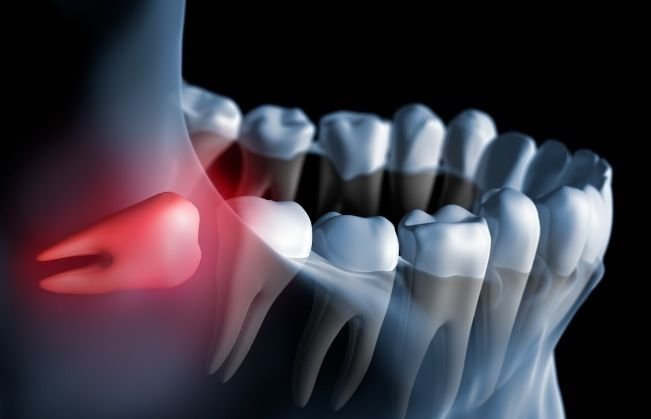
Wisdom tooth removal is one of the most common oral surgery procedures, and recovery largely depends on how well the healing site is cared for in the days that follow. Diet plays a central role in that process. Eating the right foods at the right time helps reduce discomfort, lowers the risk of complications, and supports faster healing.
This guide walks through what to eat after wisdom teeth removal at each stage of recovery, along with foods and habits to avoid. Whether the procedure was simple or surgical, understanding what can you eat after wisdom teeth removal makes the first week far more manageable.
Why Diet Matters After Wisdom Tooth Removal
After a tooth extraction, a blood clot forms in the socket where the tooth once was. This clot protects the underlying bone and nerve endings while new tissue develops. Eating the wrong foods, chewing too soon on the surgical site, or using a straw can dislodge this clot, leading to a painful condition known as dry socket.
Choosing soft, cool, and nutrient-dense foods supports clot stability and reduces strain on the jaw. It also helps manage swelling, since certain foods can either soothe or irritate the surgical area. Knowing food to eat after wisdom teeth removal in advance makes the first few days significantly less stressful.
What to Eat After Wisdom Teeth Removal Day 1
The first 24 hours require the most caution. Chewing should be avoided entirely near the extraction sites, and food should require little to no effort to swallow.
Best Foods for the First 24 Hours
On what to eat after wisdom teeth removal day 1, the safest choices include:
- Smooth yogurt without fruit chunks
- Applesauce
- Mashed potatoes, cooled to room temperature
- Blended soups without solid pieces
- Protein shakes without a straw
- Ice cream or sorbet in small amounts, if swelling allows
These options require minimal jaw movement and are gentle on the surgical site. Temperature matters here as well. Very hot foods can increase bleeding and swelling, while cold foods can help numb discomfort and reduce inflammation during the first day.
Foods to Eat After Wisdom Teeth Removal Days 2 to 7
As the initial swelling begins to subside, the diet can gradually expand to include slightly more texture, though chewing should still be avoided on the extraction sites.
| Recovery Day | Recommended Foods | Foods to Avoid |
|---|---|---|
| Day 1 | Yogurt, applesauce, blended soup, mashed potatoes | Anything requiring chewing |
| Day 2 to 3 | Scrambled eggs, oatmeal, well cooked pasta, mashed vegetables | Crunchy, spicy, or acidic foods |
| Day 4 to 5 | Soft rice, tender fish, soft fruits like bananas | Nuts, seeds, chips, popcorn |
| Day 6 to 7 | Soft sandwiches, well cooked meats cut small | Hard bread crusts, raw vegetables |
| Ongoing healing | Gradual return to normal diet as advised by your dentist | Alcohol and carbonated drinks |
This table offers a general guideline. Recovery speed varies from person to person, and some patients may need to stay on softer foods longer, particularly if all four wisdom teeth were removed at once or if the extraction was surgically complex.
What Can You Eat After Wisdom Teeth Removal as Healing Progresses
By the middle of the first week, many patients feel comfortable introducing more variety. Foods that remain soft but offer more substance include:
- Scrambled or soft boiled eggs
- Oatmeal or cream of wheat
- Steamed and mashed vegetables
- Soft cooked pasta with mild sauce
- Smoothies eaten with a spoon rather than sipped through a straw
- Cottage cheese
It is worth noting that even as healing progresses, chewing directly on the extraction site should be avoided until a dentist confirms the area has healed sufficiently. Eating on the opposite side of the mouth, when possible, reduces unnecessary pressure on healing tissue.
Foods and Drinks to Avoid After Wisdom Tooth Removal
Certain foods and habits can interfere with healing or increase the risk of complications. These should be avoided for at least the first week, and longer if advised:
- Crunchy foods such as chips, crackers, and popcorn
- Nuts and seeds, which can lodge in the socket
- Spicy foods that may irritate the surgical site
- Acidic foods and drinks, including citrus fruits and juice
- Alcohol, which can interact with pain medication and slow healing
- Carbonated beverages
- Using a straw, since the suction can dislodge the blood clot
- Hot beverages that may increase swelling
Avoiding these items reduces the likelihood of irritation, infection, or dry socket, all of which can extend recovery time and increase discomfort.
Tips for a Smooth Recovery After Tooth Extraction
Beyond diet, a few simple habits support faster healing after wisdom tooth removal or any tooth extraction:
- Rest for at least the first 24 hours and avoid strenuous activity for several days
- Use an ice pack on the outside of the cheek during the first day to reduce swelling
- Rinse gently with warm salt water starting the day after surgery, avoiding vigorous swishing
- Take prescribed or recommended pain medication as directed
- Keep the head elevated while resting to reduce swelling and bleeding
- Avoid smoking, which significantly increases the risk of dry socket
Patients who follow these steps alongside a soft food diet generally experience a smoother, more predictable recovery.
Tooth Extraction and Wisdom Tooth Removal in Covington
For patients considering wisdom tooth removal in Covington, understanding the full process, not just the diet, helps set realistic expectations. A tooth extraction dentist will evaluate the position of the wisdom teeth, whether they are impacted, and the best approach for removal based on individual anatomy.
We take the time to walk patients through what to expect before, during, and after tooth extractions in Covington, including clear guidance on aftercare and diet. Every recovery is different, and having a dental team available to answer questions during the healing process makes a noticeable difference in comfort and confidence. Patients interested in learning more about the procedure itself can review details on wisdom tooth extractions.
When to Contact Your Dentist
While some discomfort and swelling are expected after wisdom tooth removal, certain symptoms warrant a call to the dental office. These include:
- Pain that worsens after the third day instead of improving
- Excessive bleeding that does not subside with gentle pressure
- Signs of infection, such as fever, pus, or a bad taste that does not go away
- Numbness that persists beyond the expected timeframe
- Difficulty opening the mouth or swallowing
Reaching out promptly if any of these symptoms occur allows for early evaluation and helps prevent minor issues from becoming more serious.
Conclusion
Recovering from wisdom tooth removal is a gradual process, and following the right diet at each stage plays a major role in comfort and healing speed. From soft, cool foods on day one to a slow return of texture over the following week, paying attention to what the body needs supports a smoother recovery overall. If you are preparing for or recovering from tooth extractions in Covington, Complete Dental Care of Covington is available to answer questions and guide you through every step of the process. Our team understands that each patient heals differently, and personalized aftercare advice from Complete Dental Care of Covington can make a real difference in recovery comfort. For anyone with questions about wisdom tooth removal, dietary guidance, or aftercare concerns, reaching out to Complete Dental Care of Covington is a straightforward way to get clear answers. To schedule a consultation or ask about tooth extraction options, contact Complete Dental Care of Covington today or book an appointment online.
Frequently Asked Questions
What can I eat after wisdom teeth removal on the first day?
Soft, cool foods that require no chewing are best, such as yogurt, applesauce, mashed potatoes, and blended soups. Avoid straws and anything hot or spicy.
How long do I need to eat soft foods after wisdom tooth removal?
Most patients stay on a soft food diet for about a week, though healing time varies. Some may need to continue longer depending on how the extraction sites are healing.
Can I eat rice after wisdom teeth removal?
Well cooked, soft rice is generally fine a few days after surgery, once initial swelling has decreased. It should be eaten carefully and away from the extraction site.
When can I go back to a normal diet after tooth extraction?
Most people can gradually return to a regular diet within one to two weeks, depending on healing progress. A dentist can confirm when it is safe to resume harder or crunchy foods.
Why should I avoid straws after wisdom tooth removal?
The suction created by drinking through a straw can dislodge the blood clot protecting the extraction site, increasing the risk of dry socket, a painful complication that delays healing.
Is it normal to have swelling for several days after wisdom teeth removal?
Some swelling is expected and typically peaks around day two or three before gradually improving. If swelling worsens significantly after this point, it is worth contacting your dentist.