
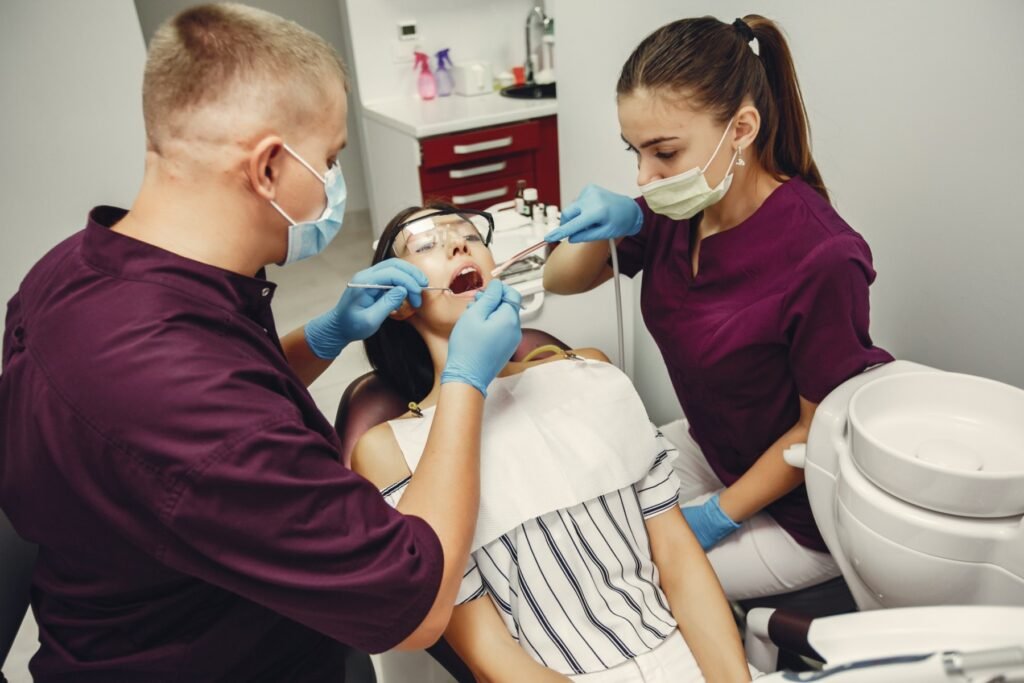
A knocked out tooth can feel alarming and painful, especially when it happens unexpectedly during sports, accidents, or falls. Acting quickly after this type of dental injury may improve the chances of saving the tooth and reducing long term complications. Many patients also experience bleeding, swelling, or concerns about dental pain relief while trying to find urgent dental care. Knowing what to do before reaching a dental office can make an important difference during an emergency.
Dental injuries can happen without warning and may affect both children and adults. Immediate care is important because the tooth and surrounding tissues are highly vulnerable after an accident. In some cases, delayed treatment may increase the need for broken tooth repair, restorative procedures, or tooth replacement options.
Patients experiencing dental emergencies can learn more about treatment options through emergency tooth and extraction care services available at Complete Dental Care of Covington.
Why a Knocked-Out Tooth Needs Immediate Care
A knocked out tooth is considered a serious dental emergency because the first hour after the injury is often the most important for saving the tooth. Fast treatment may improve the chances of successful reattachment and reduce the risk of permanent damage.
When a tooth is completely removed from the socket, nearby tissues, nerves, and bone structures may also be affected. Delaying care can increase the risk of infection or long term oral health complications.
Step 1: Handle the Tooth Carefully
The first thing patients should do is locate the tooth and handle it properly. Incorrect handling may damage important tissues attached to the root.
Always hold the tooth by the crown instead of the root area. If dirt or debris is present, gently rinse the tooth with clean water without scrubbing it.
Important handling tips include:
- Hold the tooth by the top portion only
- Avoid touching the root
- Rinse gently if necessary
- Do not use soap or chemicals
- Keep the tooth protected
Proper handling may improve the chances of preserving the tooth before reaching the dental office.
Step 2: Try to Place the Tooth Back Into the Socket
If possible, patients may carefully place the tooth back into the socket while traveling for urgent dental care. This can sometimes help preserve the natural tooth until professional treatment is available.
The tooth should be inserted gently without force. Once in place, lightly biting on clean gauze may help keep it stable during transport.
If reinserting the tooth is not possible, keeping it moist becomes very important. A dry tooth may become harder to save after prolonged exposure outside the mouth.
Step 3: Control Bleeding and Reduce Discomfort
Bleeding and swelling are common after oral injuries. Managing symptoms properly before arriving at the office can help improve comfort and reduce additional complications.
Dental pain relief measures may help patients remain more comfortable while waiting for treatment. Cold compresses applied outside the mouth may help reduce swelling and discomfort.
Helpful temporary relief methods include:
- Applying gentle pressure with gauze
- Using cold compresses
- Avoiding chewing near the injury
- Keeping the head elevated
- Drinking water carefully
Patients experiencing toothache at night after a dental injury should still seek professional care as quickly as possible.
Step 4: Contact a Same Day Dentist Immediately
Once the tooth has been protected and bleeding is controlled, patients should contact a same day dentist without delay. Fast professional care may improve the likelihood of saving the tooth and protecting surrounding tissues.
Dentists may examine the injury, clean the affected area, and determine whether the tooth can be stabilized successfully. Additional treatment may also be necessary if nearby teeth or gums were damaged during the accident.
What Happens During Emergency Dental Treatment?
Dental professionals evaluate the severity of the injury and determine the most appropriate treatment approach. Every dental emergency is different, so treatment may vary depending on the condition of the tooth and surrounding structures.
Emergency dental care may include:
At Complete Dental Care of Covington, emergency dental care may include:
- Cleaning the injured area
- Stabilizing the tooth
- Treating gum injuries
- Performing broken tooth repair
- Taking dental X rays
Prompt treatment may help reduce long term complications and improve recovery outcomes.
Understanding Broken Tooth Repair
In some accidents, surrounding teeth may become cracked or fractured in addition to the knocked out tooth. Broken tooth repair focuses on restoring damaged teeth and protecting oral function.
Treatment may involve dental bonding, crowns, or restorative procedures depending on the extent of the damage. Early treatment is important because untreated fractures may worsen over time.
Patients who experience sensitivity, pain while chewing, or visible cracks after an injury should seek evaluation quickly.
Why Toothache at Night Should Not Be Ignored
Toothache at night can become more noticeable because of swelling, inflammation, or pressure around injured tissues. Some patients may experience delayed pain several hours after the original injury occurs.
Ignoring discomfort overnight may allow infections or complications to worsen. Seeking urgent dental care promptly may help identify hidden damage and reduce additional oral health risks.
Symptoms that may require emergency evaluation include:
- Severe pain
- Swelling in the gums
- Bleeding that continues
- Difficulty chewing
- Loose or damaged teeth
Professional evaluation is important even when symptoms appear mild initially.
Patients can also learn more about emergency services and available dental care through the Complete Dental Care of Covington website.
Understanding Dental Emergency Cost
Many patients worry about dental emergency cost after sudden accidents or injuries. Treatment costs may vary depending on the severity of the trauma and the procedures required.
Emergency dental visits often involve examinations, imaging, and restorative treatment planning. Patients may also require follow up visits depending on the condition of the injured tooth.
Understanding treatment needs early may help patients make informed decisions about their oral health care.
Preventing Future Dental Injuries
While accidents cannot always be prevented, certain habits may help lower the risk of dental trauma.
Wearing protective mouthguards during sports activities can help reduce injuries involving the teeth and jaw. Patients should also avoid chewing hard objects such as ice or hard candies that may weaken teeth over time.
Preventive habits may include:
- Wearing sports mouthguards
- Attending regular dental checkups
- Avoiding hard chewing habits
- Treating weakened teeth early
- Using seatbelts during travel
Preventive care may help reduce the likelihood of severe dental emergencies in the future.
Why Patients Choose Local Emergency Dental Care
Many patients prefer nearby urgent dental care because immediate access can make emergencies less stressful. Local providers may offer faster evaluations and same day treatment options for traumatic dental injuries.
Having a trusted local dental office can help families feel more prepared during unexpected dental emergencies.
Conclusion
A Knocked-Out Tooth should always be treated as a serious dental emergency. Quick action before reaching the dental office may improve the chances of saving the tooth and reducing long term oral health complications. Proper handling, immediate dental pain relief measures, and urgent dental care all play important roles during recovery.
Understanding how to respond during a dental emergency can help patients feel more prepared when accidents occur. Fast professional treatment remains one of the most important factors in protecting long term oral health after traumatic dental injuries.
Patients interested in learning more about emergency treatment and dental professionals can visit the Complete Dental Care of Covington dental team page.
FAQs
1. What should I do immediately after a knocked out tooth?
Pick up the tooth carefully by the crown and avoid touching the root. Keep the tooth moist and contact urgent dental care immediately.
2. Can a knocked out tooth be reattached?
Yes, fast treatment may improve the chances of successful reattachment. Visiting a same day dentist quickly is very important.
3. How can I manage pain before reaching the office?
Cold compresses and gentle pressure with gauze may help reduce discomfort and bleeding. Avoid chewing near the injured area until evaluated.
4. What if the tooth cannot be saved?
Dentists may discuss replacement options such as bridges, dentures, or implants. Treatment recommendations depend on the severity of the injury.
5. Does dental emergency cost depend on the injury?
Yes, dental emergency cost may vary depending on the extent of damage and the treatment required. Emergency exams and restorative procedures may affect overall costs.